

Homemade Yogurt

Make your own yogurt. I have made this ad infinitum times and it always turns out well. I usually make it just before bed then it is ready in the morning.
Ingredients
- 4 cups pasteurized milk (I use skim milk)
- 2 tbsp. live culture yogurt, room temperature (see notes)
- 1/3 cup dry milk
- large glass bowl
- thermometer (see notes)
- finished yogurt containers (I use one pint glass mason jars with plastic lids)
Directions
1. Sanitize the glass bowl, thermometer, and ygurt containers. I soak them in boiling water for a few minutes (dip the thermometer probe to sanitize it). I have made the yogurt successfully without this step but I'm taking a chance. Yogurt can get cross-contaminated with wild yeast in the air.
2. Commercially sold milk is pasteurized. Read the label.
3. Make sure the starter yogurt has live cultures in it. Some yogurts have been pasteurized which would kill the live cultures.
4. Mix the dry milk in the pasteurized milk.
5. Heat milk in glass bowl in microwave until 180 degrees (about 14 minutes). Gently stir after 5 minutes so skin does not form on top of milk. This is necessary to change the milk structure so the milk proteins set together rather than clump to form curds and whey. Let sit 5 minutes.
* If using yogurt as a starter, make sure it is room temperature.
6. Cool to 110 degrees. I put milk bowl inside a larger one (or a sink filled part way with water) filled halfway with cold water. It cooled in about 15 minutes.
* Mix in 2 tbsp of cooled milk with yogurt starter to make a slurry.
7. Pour yogurt slurry into milk and gently stir for 1 minute.
8. Cover. If the bowl does not have a hat, use a plate.
9. Incubate mixture at 110 degrees F until set, about 8 to 12 hours. I use an electric oven with oven light on (heats up to about 93 degrees F but it does work). I preheat the oven with the oven light. I use an oven thermometer to monitor temperature. I wrap the warm bowl with a big towel before placing in the oven. See below for more methods.
* Let the yogurt cool off for 2 hours before refrigerating.
10. Refrigerate for at least 6 hours then strain if you want.
11. Divide up into containers and keep refrigerate. I use 1 quart mason jars with screwtop lids. Keeps at least one week.
I have had success in making double or triple batches. Since the oven light is on, having two or three bowls of yogurt helps maintain the incubation temperature.
Optionals
To get Greek yogurt effect, strain in the refrigerator for 2 hours. The leftover liquid (whey) is very nutritious. I use it in place of water or milk in homemade bread and pizza dough. The longer the thicker. I left a batch overnight and it was very thick.
Mix in flavorings, if necessary. Try 1/2 tbsp vanilla extract or 2 tbsp honey.
Strainer Ideas
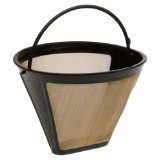 Very fine mesh strainer. (this is what I use). I place the
strainer over a 1 quart yogurt container and cover. I generally wait 1/2 to 1 hour. I use
the left-over whey in other recipes, such as bread or pizza dough.
Very fine mesh strainer. (this is what I use). I place the
strainer over a 1 quart yogurt container and cover. I generally wait 1/2 to 1 hour. I use
the left-over whey in other recipes, such as bread or pizza dough.
2. cheesecloth in a colander
3. I have heard that paper coffee filters do not work well because they saturate and tear; I have not tried them.
4. Tightly woven tea towels.
Store whey in a clean jar in the refrigerator, where it should last for months.
Incubation Methods
There are a lot of ways to incubate yogurt mixture.
- Put in electric oven with oven light on. If you have a remote sensor thermometer with alarm, you can set the alarm to ring at 113 degrees so the mixture does not kill off the cultures. This is my preferred method as it is the most controllable. Mine heats up to 93 degrees.
- Buy a commercial yogurt maker.
- Put mixture bowl on heating pad, cover with inverted pot, and set pad to low.
Thickeners
The original yogurt is a little thin though straining it will thicken it up. If you don't want to wait for straining, mix in a little gelatin.
Thickening Yogurt
Depending on the type of milk used and the culture chosen, yogurt can be as thin as buttermilk or as thick as sour cream. Choosing a different type of milk for making yogurt, or selecting a yogurt starter with different properties are two ways to increase thickness of the final product.
Here are some other ways to produce a thicker yogurt:
- Heat the milk: When preparing the milk, heat it to 160º-180°F, and maintain the temperature for 20 to 30 minutes. Then cool to culturing temperature.
- Strain the yogurt: Our Greek Yogurt Maker, a cotton bag or tight-weave cloth, or a piece of butter muslin are all effective tools to use for draining whey from yogurt.
-
Add thickeners: This is a process
that is most successful with direct-set cultures, or when maintaining a separate mother
culture, since the thickeners may interfere with reculturing. Yogurt usually will not
thicken until cooled, especially non-dairy yogurt. In some cases, thickening may take up
to 24 hours. Even if the yogurt is thin, it is still a cultured food and may be
consumed.
- Milk solids: Powdered milk solids generally come in cow,goat, and soy varieties. For every 3-4 cups fresh cow milk use ½-1 cup powdered milk. If using fresh goat milk or soy milk add ¼-½ cup powdered milk.
- Gelatin: For every 3-4 cups milk, sprinkle 1 teaspoon of gelatin into 1 cup of milk. Gelatin must be heated to at least 95⁰F to activate. Mix well to combine. For mesophilic yogurts, cool to culturing temperature before adding starter culture.
- Pectin: For 1 quart of yogurt, pour 2 cups of milk into a blender. Add 1-2 teaspoons pectin (depending on the type of pectin), and blend until pectin is incorporated. Add to the rest of the milk and heat to 140⁰F. Cool to culturing temperature and add culture. The quantity of pectin may need adjusting depending on the milk or pectin used. Sugar-activated pectin may require additional sugar in the milk to be effective. Calcium-activated pectin uses the calcium in the milk to set up. When using non-dairy milks, add the amount of calcium water specified by the recipe.
- Agar: For every 3-4 cups milk, dissolve ½ teaspoon powdered agar into the milk. Heat to 190⁰F and hold for 10 minutes. Cool to culturing temperature and add culture.
- Guar gum: For every 3-4 cups milk, add 1 teaspoon guar gum to a small amount of milk, heated and cooled to culturing temperature; mix well, then combine the small amount of milk with the larger portion of milk.
- Tapioca starch: For 3-4 cups of milk, dissolve 2 tablespoons tapioca starch into the milk and heat to 140⁰F. Cool to culturing temperature and add culture.
- Arrowroot starch: For 3-4 cups of non-dairy milk, dissolve 1½-2 tablespoons of arrowroot starch into the milk and heat to 140⁰F. Cool to culturing temperature and add culture. (Note: arrowroot is not recommended for dairy milks)
- Ultra-gel (modified corn starch): For 3-4 cups milk, add ¼ cup Ultra-gel to the heated and cooled milk. Mix well to combine. While regular corn starch can be used, it is not particularly stable and can yield an odd consistency.
Fat Content
Yogurt made with reduced-fat milk will be thinner than yogurt made with whole milk. Commercially available low-fat yogurts include additives and stabilizers to make them unnaturally thick, or they have been drained of whey to make a thicker product.
Many yogurt cultures perform very well in half-and-half or even in cream, producing a rich, thick yogurt that is almost like sour cream. When using a reusable yogurt culture, make sure to retain some yogurt from a previous batch to use as starter. Cultured cream does not re-culture well, as the lactose content is very low.
When it comes to milk, the possibilities are numerous, and the decision may be difficult if you have many varieties available. Try different kinds of milk until you produce a yogurt that suits your personal taste.
Yogurt Starter
Use a quality nonfat, plain yogurt from the store. Once the first batch is made, save a few tablespoons for the next batch. I have read that the starter yogurt should be replaced every 5 or 6 batches with a commercial one, though I have not done this. I'm not sure of the ramifications.
One thing to try is using whey as a starter. I have not tried it, but will soon.
Shelf Life
The yogurt has a shelf life in a refrigerator of 10 to 21 days.
How does it work
As the warmed milk is combined with the yogurt starter, the bacteria begin to feast on the lactose in the milk and produce lactic acid, and the culture proliferates and spreads throughout the milk.
The longer the culturing process goes on, the longer the culture has time to multiply, thereby increasing the amount of bacteria and acids in the yogurt while decreasing the lactose content of the milk.
Troubleshooting
- Yogurt is stringy
- xx
- Yogurt is watery
- xx
- My yogurt separated into solid and liquid layers (curds and whey). What happened?
- Separation is usually an indication of overculturing or culturing at too warm of a temperature. Adjust the length of culture time and check the culturing temperature to make sure it is within the appropriate range.
- My yogurt looks lumpy and curdled. What did I do wrong?
-
Sometimes overculturing (too long or too warm) can cause the yogurt to curdle or become lumpy before it separates fully. To make a smooth consistency, simply whisk it. (Remove some of the whey if you like, or stir it back in.) Check the culturing temperature to make sure it is within range: 105°-112°F for thermophilic cultures, 70°-77°F for mesophilic cultures.
A culture that is too old can also cause this problem. We recommend reculturing heirloom cultures within 7 days for best results.
- Why is my yogurt is grainy or gritty?
- If the flavor is pleasant, but the texture is grainy or gritty, it often indicates that the milk was heated too quickly. Heat milk slowly to avoid this issue.
- Why is my yogurt bitter?
-
Using too much starter can crowd the bacteria, creating a thin consistency and a bitter flavor.
Overcultured yogurt may also taste bitter. Check the culturing temperature to verify it is within the appropriate range.
- Why is my yogurt thinner than store-bought yogurt?
- Store-bought yogurts generally contain thickeners. Drain whey or add thickeners to homemade yogurt to achieve similar thickness.
- Why is my yogurt too sour or not sour enough?
- Culturing temperatures on the higher end of the range and longer culture times will yield a more sour flavored yogurt. To achieve a less sour flavor, culture at the lower end of the range or for a shorter period of time.
- Why is my yogurt foamy (or stringy) and yeasty-smelling?
- This issue is generally caused by cross contamination from yeast, which can come from a sourdough starter culturing too closely, or wild natural yeast that has come in contact with the yogurt. To avoid this problem, be sure to clean all equipment, utensils, counters and other materials used in the yogurt-making process.
Can I use Pomona’s Pectin to help thicken my homemade yogurt?
Yes, Pomona’s Pectin can be used to help thicken homemade yogurt. We recommend using 1 teaspoon of pectin per 1 quart of milk (see Note below). Adding calcium water is not necessary if the milk is calcium fortified or has calcium in it naturally.
When you have heated the milk to its hottest point, take a cup of the hot milk and put it in a cup for an immersion blender or in a food processor or blender. Add the appropriate amount of pectin. It is very important to vent the lid (if there is one) to let steam out. Don’t use an enclosed blender that can’t be vented.Run the machine for a good solid minute. Lift the lid and look for undissolved clumps of pectin stuck to the sides. Push any clumps onto the milk and run the machine until there are no undissolved clumps of pectin and the milk is perfectly smooth.
Add the pectinized milk to the rest of the milk and stir to get the pectin well distributed throughout all the milk. Proceed with your yogurt recipe.
NOTE: If you are using a non-animal milk or a non-fat milk, you may need up to 2 teaspoons of pectin per quart.
Concerns with Long-Cultured Yogurt
Because the yogurt culture feeds off the lactose in the milk, a longer culturing time can stress the culture or even kill it, as the bacteria run out of food. As the bacteria begin to starve, it may affect a culture’s ability to perpetuate beyond a single batch.
Yogurt FAQ
- What is the difference between mesophilic and thermophilic yogurt starter cultures?
- Mesophilic cultures at room temperature, 70º-77ºF. Thermophilic cultures at approximately 110ºF.
- Will my yogurt culture better or have more probiotics if I use more than one packet? Can I use more starter culture to achieve a thicker yogurt?
- Do not use more starter than recommended. Using too much starter can crowd the bacteria, causing the bacteria to run out of food before the yogurt completely ferments the milk. The result is often a thinner, sometimes bitter, yogurt.
- Why do I have to heat pasteurized milk when using thermophilic cultures?
- Heating the milk to 160ºF will kill any bacteria present in the milk that might compete with bacteria in the thermophilic cultures.
- Why do you recommend culturing no more than ½ gallon of yogurt per batch?
- With that much liquid, it is difficult to keep temperature consistent. If culturing a thermophilic at 110ºF, the outer portion is likely to be warmer or the center will never be warm enough. For mesophilic cultures, it takes a long time for milk come to room temperature and for the culture to begin working while the milk bacteria is building fast and can compete with the yogurt culture.
- Can I use milk made from powdered milk to make yogurt?
- Many customers have had success using a high quality powdered milk, such as Capramilk, for culturing yogurt. Other powdered milk brands are highly processed and may not perform well.
- Why do I need to cool my yogurt at room temperature for 2 hours before refrigerating?
- Giving your thermophilic yogurt some time at room temperature allows for a slower cooling process than placing it directly in the refrigerator.
- When can I flavor my yogurt?
- To avoid interfering with the culturing process, it is best to flavor after the culturing process is complete. This is most important when working with heirloom cultures.
- How long will finished yogurt last in my refrigerator?
- In the refrigerator (40° to 45°F): 7 days to maintain re-culturing viability; 2 weeks for edibility.
Doug's Notes
I use an instant thermometer. While cooling, it is handy to have a remote thermometer with an alarm on it so you do not have to hang around. A remote thermometer with probe in yogurt mixture would be ideal so the incubation temperature can be monitored.
I use this yogurt in place of buttermilk in many recipes.
The dry milk adds milk solids which help thicken the yogurt.
If the yogurt incubates too long, it will get tart.
